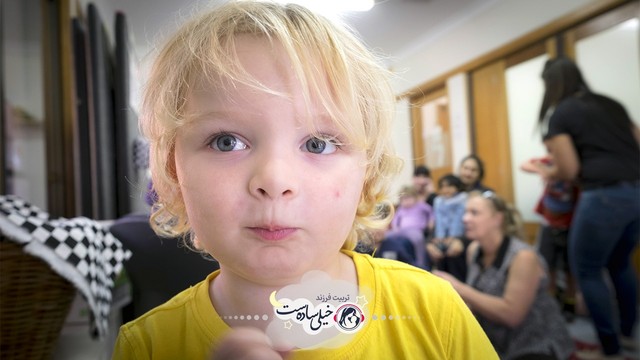
وقتی فرزندمون همه چیز را برای خودش میخواد: راهکارها
- 0:00:00
- اشتراکگذاری
خلاصه ای از مطالب این درس:
✔️ از درخواستهای بیوقفه و نقزدنهای کودکتون خسته شدین؟ وقتهایی هست که نمیدونین در مقابل خواستههای تمامنشدنیاش چه واکنشی نشون بدین؟
✔️ در این پادکست یاد میگیرین چطور قاطعانه اما با مهربونی به کودکتون «نه» بگین. و بهش کمک کنین تا با شنیدن جواب منفی و احساس ناامیدی کنار بیاد.
✔️ با راهکارهای عملی آشنا میشین که چطور بدون جر و بحث، موقعیت رو کنترل کنین. و با مذاکره یا یک پیشنهاد جایگزین، ماجرا رو به نفع هر دو شما تمام کنین.
✔️ طبق آخرین تحقیقات و مطالعات علمی، این روشها به رشد مهارتهای اجتماعی کودک شما کمک بزرگی میکنه. و باعث میشه یاد بگیره خواستههاش رو درست و محترمانه مطرح کنه.
فایل کوتاه معرفی این پادکست را از اینجا گوش کنید.
دسترسی کامل به محتوای این درس، با تهیه اشتراک امکان پذیر است.
✔️ توجه کنید که اطلاعات موجود در این سایت، به عنوان توصیه و تجویز پزشکی، کاربرد ندارد. مطالب این سایت، در جهت راهنمایی و افزایش دانش شما میباشد.
Binder, A., & Matthes, J. (2023). What can stop the ‘pester power’? A longitudinal study on the impact of children’s audiovisual media consumption on media‐motivated food purchase requests. Pediatric Obesity , 18 (6), Article e13018. https://doi.org/10.1111/ijpo.13018
Campbell, S., James, E.L., Stacey, F.G., Bowman, J., Chapman, K., & Kelly, B. (2014). A mixed-method examination of food marketing directed towards children in Australian supermarkets. Health Promotion International, 29 (2), 267-277. https://doi.org/0.1093/heapro/das060
Christino, J.M.M., Cardozo, E.A.A., Silva, T.S., & Mazzini, C. (2020). Children’s pester power, packaging and unhealthy food preference. Young Consumers , 21 (1), 35-55. https://doi.org/10.1108/YC-03-2019-0973
Colliver, Y., & Arguel, A. (2018). Following in our footsteps: How adult demonstrations of literacy and numeracy can influence children’s spontaneous play and improve learning outcomes. Early Child Development and Care , 188 (8), 1093-1108. https://doi.org/10.1080/03004430.2016.1248958
Cortini, M., Giordano, R., Benevene, P., Cervai, S., Galanti, T., Fantinelli, S., & Di Fiore, T. (2021). How power is pester power? A mix-method study. TPM – Testing, Psychometrics, Methodology in Applied Psychology , 28 (1), 37-46
Gram, M., & Grønhøj, A. (2016). Meet the good child. ‘Childing’ practices in family food co-shopping. International Journal of Consumer Studies 40 (5) , 511-518. https://doi.org/10.1111/ijcs.12295
McCarthy, C.M., de Vries, R., & Mackenbach, J.D. (2022). The influence of unhealthy food and beverage marketing through social media and advergaming on diet-related outcomes in children – A systematic review. Obesity Reviews, 23 (6), Article e13441. https://doi.org/10.1111/obr.13441
McDevitt, T.M., Ormrod, J.E., Cupit, G., Chandler, M., & Aloa, V. (2020). Language development. In Child development and education (2nd edn, pp. 331-378). Pearson Australia
Michelson, L., Sugai, D.P., Wood, R.P., & Kazdin, A.E. (2013). Social skills assessment and training with children: An empirically based handbook. Springer Science & Business Media
Siegler, R.S., Saffran, J.R., Gershoff, E.T., & Leaper, C. (2024), Emotional development. In How children develop (7th edn, pp. 358-395). MacMillan Learning
Swindle, T., McBride, N., Staley, A., Phillips, C., Rutledge, J.M., Martin, J., & Whiteside-Mansell, L. (2020). Pester power: Examining children’s influence as an active intervention ingredient. Journal of Nutrition Education and Behavior , 52 (8), 801-807. https://doi.org/10.1016/j.jneb.2020.06.002
Turner, J.J., Kelly, J., & McKenna, K. (2006). Food for thought: Parents’ perspectives of child influence. British Food Journal, 108 (3), 181-191. https://doi.org/10.1108/00070700610651007
0 نظر
دستهبندیها

دوران بارداری
پیش از بارداری تا زایمان


ثبت دیدگاه