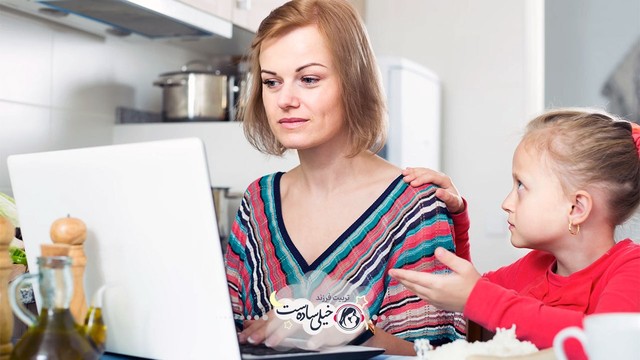
وقتی کودک اصرار و پافشاری میکنه؛ راهکارها و تکنیکها
- 0:00:00
- اشتراکگذاری
خلاصه ای از مطالب این درس:
✔️ از نقزدنها و بهانهگیریهای تمامنشدنی کودکت برای خرید خسته شدی؟ وقتی جلوی بقیه پایش را در یک کفش میکند که چیزی را برایش بخری، کلافه میشوی؟
✔️ این رفتار کودک، دلیلهای پنهان زیادی دارد که همیشه از سر لجبازی نیست. در این پادکست یاد میگیری چطور ریشهی این اصرارها را بشناسی و درست با آن برخورد کنی.
✔️ به تو یاد میدهیم چطور یک «نه» قاطع اما مهربان بگویی، روی حرفت بمانی و کاری کنی که کودک جواب منفی را راحتتر بپذیرد و ماجرا را تمام کند.
✔️ طبق آخرین تحقیقات و مطالعات علمی، واکنش درست شما در این لحظات خیلی مهم است. با این روشها هم آرامش خودت را حفظ میکنی و هم به کودکت کنترل هیجان را یاد میدهی.
فایل کوتاه معرفی این پادکست را از اینجا گوش کنید.
دسترسی کامل به محتوای این درس، با تهیه اشتراک امکان پذیر است.
✔️ توجه کنید که اطلاعات موجود در این سایت، به عنوان توصیه و تجویز پزشکی، کاربرد ندارد. مطالب این سایت، در جهت راهنمایی و افزایش دانش شما میباشد.
Campbell, S., James, E.L., Stacey, F.G., Bowman, J., Chapman, K., & Kelly, B. (2014). A mixed-method examination of food marketing directed towards children in Australian supermarkets. Health Promotion International, 29 (2), 267-277. https://doi.org/0.1093/heapro/das060
Christino, J.M.M., Cardozo, E.A.A., Silva, T.S., & Mazzini, C. (2020). Children’s pester power, packaging and unhealthy food preference. Young Consumers , 21 (1), 35-55. https://doi.org/10.1108/YC-03-2019-0973
Clark, R.A., & Delia, J.G. (1976). The development of functional persuasive skills in childhood and early adolescence. Child Development, 47 (4), 1008-1014. https://doi.org/10.2307/1128437
Gram, M., & Grønhøj, A. (2016). Meet the good child. ‘Childing’ practices in family food co-shopping. International Journal of Consumer Studies 40 (5) , 511-518. https://doi.org/10.1111/ijcs.12295
Henry, H.K.M., & Borzekowski, D.L.G. (2011). The nag factor: A mixed-methodology study in the U.S. of young children’s requests for advertised products. Journal of Children and Media, 5 (3), 298-317. https://doi.org/10.1080/17482798.2011.584380
Horsley, J.A., Ar Absalom, K., Akiens, E.M., Dunk, R.J., & Ferguson, A.M. (2014). The proportion of unhealthy foodstuffs children are exposed to at the checkout of convenience supermarkets. Public Health Nutrition, 17 (11), 2453-2458. https://doi.org/10.1017/S1368980013003571
Mc Carthy, C.M., de Vries, R., & Mackenbach, J.D. (2022). The influence of unhealthy food and beverage marketing through social media and advergaming on diet-related outcomes in children – A systematic review. Obesity Reviews , e13441. https://doi.org/10.1111/obr.13441
Robinson, T.N., Saphir, M.N., Kraemer, H.C., Varady, A., & Haydel, K.F. (2001). Effects of reducing television viewing on children’s requests for toys: A randomised-controlled trial. Journal of Developmental & Behavioral Pediatrics, 22 (3), 179-184. https://doi.org/10.1097/00004703-200106000-00005
RoedderJohn, D. (1999). Consumer socialisation of children: A retrospective look at twenty-five years of research. Journal of Consumer Research, 26 (3), 183-213. https://doi.org/10.1086/209559
Swindle, T., McBride, N., Staley, A., Phillips, C., Rutledge, J.M., Martin, J., & Whiteside-Mansell, L. (2020). Pester power: Examining children’s influence as an active intervention ingredient. Journal of Nutrition Education and Behavior , 52 (8), 801-807. https://doi.org/10.1016/j.jneb.2020.06.002
Turner, J.J., Kelly, J., & McKenna, K. (2006). Food for thought: Parents’ perspectives of child influence. British Food Journal, 108 (3), 181-191. https://doi.org/10.1108/00070700610651007
Yukl, G., & Falbe, C.M. (1990). Influence tactics and objectives in upward, downward and lateral influence attempts. Journal of Applied Psychology, 75 (2), 132-140. https://doi.org/10.1037/0021-9010.75.2.132
0 نظر
دستهبندیها

دوران بارداری
پیش از بارداری تا زایمان


ثبت دیدگاه